The Weight–Blood Pressure Link Is Real — Here's What the Research Actually Says
Excess body fat doesn't just sit there — it actively drives hypertension. Here's the well-evidenced science behind why, and what weight loss does about it.
I now have everything I need. Let me write the article.
Around half of American adults have high blood pressure — and most of them don't know it, according to MedlinePlus (NIH). That's not a coincidence sitting next to the fact that obesity rates have climbed steadily for decades. These two conditions are deeply tangled, and the evidence explaining why — and what happens when you lose weight — is some of the clearest in all of chronic-disease research.
Your Body Fat Isn't Just Sitting There
Extra body fat, especially the kind carried around the abdomen, is biologically active. It doesn't just add mechanical load — it changes how your whole cardiovascular system operates.
A landmark review published in Circulation Research describes how obesity drives hypertension through two main channels: overactivation of the sympathetic nervous system (essentially keeping your body in a low-grade "fight or flight" state) and disruption of the renin-angiotensin-aldosterone system, which controls how the kidneys handle salt and fluid. According to Hall et al. in Circ Res (2015), these neurohumoral and renal mechanisms together push blood pressure up persistently — not just when you're stressed or active, but around the clock.
MedlinePlus notes that obesity risk is especially elevated when extra body fat is carried around the waist — precisely the location most linked to these systemic effects.
How Much Weight Loss Actually Moves the Needle?
The good news is that the relationship works in reverse, too. Lose weight, and blood pressure tends to follow it down.
A meta-analysis of randomized controlled trials published in Hypertension found that weight reduction had a meaningful, statistically significant effect on blood pressure — and that the benefit scaled with the amount of weight lost. According to Neter et al. in Hypertension (2003), even modest reductions produced measurable improvements.
A more recent JAMA review on obesity management in adults reinforces this, noting that weight loss produces improvements across multiple cardiometabolic risk factors. According to Elmaleh-Sachs et al. in JAMA (2023), treating obesity directly — not just its downstream effects — is increasingly recognized as the right clinical target.
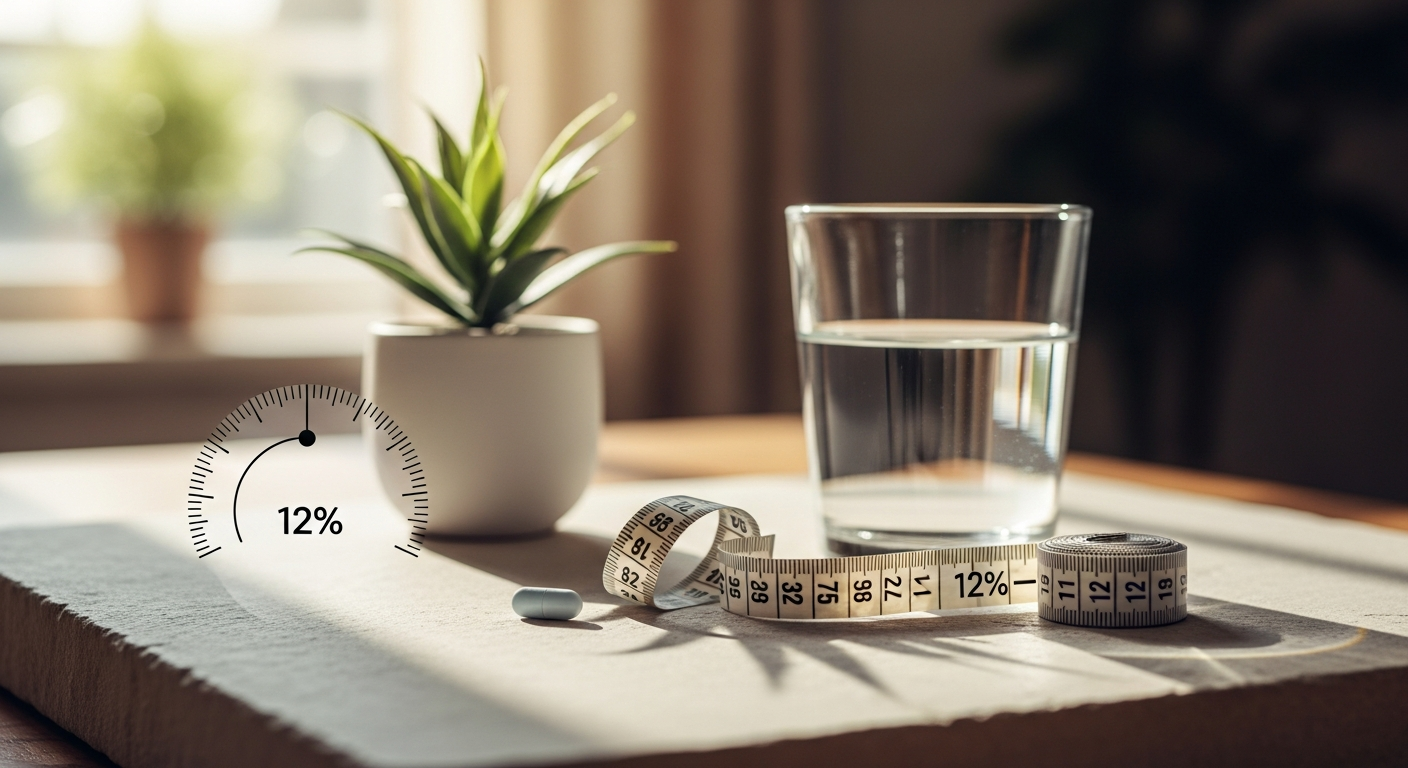
A separate review in Current Obesity Reports looked specifically at what different thresholds of weight loss deliver. According to Ryan & Yockey in Curr Obes Rep (2017), improvements in blood pressure, blood sugar, and lipids appear at the 5% weight-loss mark and continue to compound as loss increases to 10%, 15%, and beyond. You don't need to hit some dramatic number before your body starts responding.
Where GLP-1 Medications Fit In
If you're on a GLP-1 or dual-agonist medication, the blood pressure picture is part of the broader cardiometabolic story these drugs are increasingly studied for.
A 2024 systematic review and meta-analysis in Endocrine Practice looked specifically at GLP-1 receptor agonists in people with obesity but without diabetes. According to Ansari et al. in Endocr Pract (2024), GLP-1 receptor agonists produced significant improvements in body weight and cardiometabolic parameters — including blood pressure — in this population.
A network meta-analysis in BMJ Open comparing GLP-1 receptor agonists against SGLT-2 inhibitors in overweight and obese patients also found favorable effects on blood pressure markers. According to Ma et al. in BMJ Open (2023), both drug classes showed cardiometabolic benefits, with GLP-1 agents performing well on weight-related outcomes.
Separately, a broad review of pharmacological obesity treatments published in Nature Medicine in 2025 found that newer agents — including tirzepatide — showed efficacy across weight and metabolic outcomes. According to McGowan et al. in Nat Med (2025), the evidence base for these treatments continues to grow.
None of this means a GLP-1 medication replaces blood pressure treatment — that's a conversation for your prescriber. But the overlap is real and worth knowing about.
The Hypertension–Obesity Loop Is Breakable
MedlinePlus describes hypertension as a condition that often has no warning signs — which is exactly what makes it dangerous. You can have elevated blood pressure for years and feel completely fine while arterial damage quietly accumulates.
What the research makes clear is that weight loss is one of the most evidence-backed non-pharmacological tools for moving blood pressure in the right direction. The mechanism is real. The dose-response relationship is real. And the improvements start earlier than most people expect.
A review of hypertension treatment published in JAMA notes that lifestyle intervention — including weight management — remains a cornerstone recommendation alongside medication. According to Carey, Moran & Whelton in JAMA (2022), addressing modifiable risk factors is central to modern hypertension management.
What This Means for You
- You don't need to lose a lot to see a change. Research suggests blood pressure benefits begin appearing at around 5% body weight reduction — that's 10 lbs on a 200-lb frame.
- The mechanism is biological, not motivational. Excess fat — especially abdominal — actively disrupts the systems that regulate blood pressure. Losing it removes that disruption.
- If you're on a GLP-1 medication, ask your prescriber about your blood pressure trajectory. The cardiometabolic effects of these drugs are an active area of research, and your numbers may be shifting in ways worth tracking.
Not medical advice. Talk to your prescriber about your specific situation, medications, and blood pressure goals.